
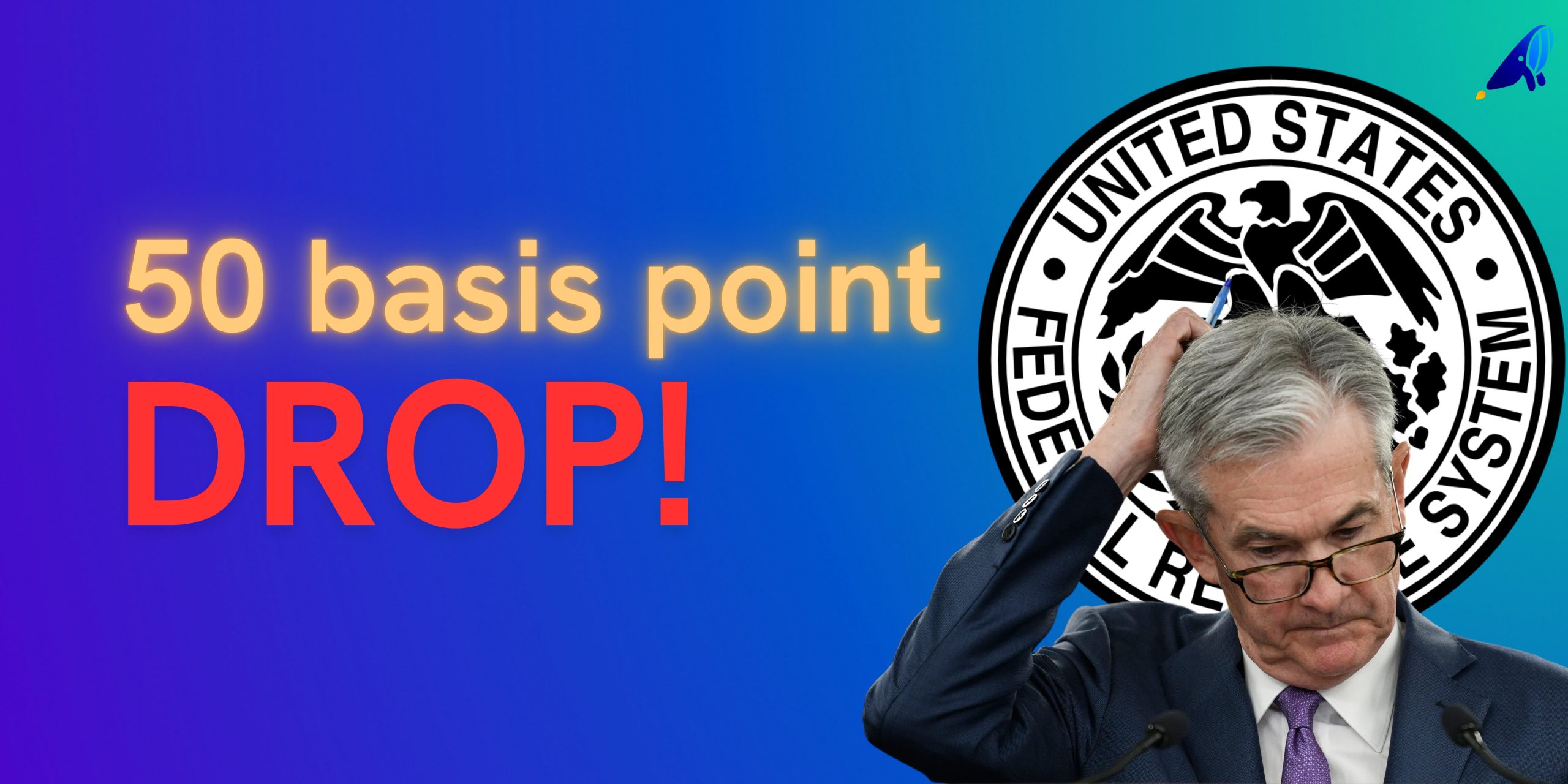
The Feds cut rates for the first time in 4 year, sending waves through financial markets.
Last Wednesday, the Feds did a bold move to stimulate the economy. Whether you’re a seasoned investor, a hopeful homeowner, or just someone keeping an eye on their savings, this decision has implications for us all. But what does it mean for you, and what should you expect next?
Let’s break it down into bite-sized, actionable insights.
Why Did the Feds Cut Rates?
Interest rates are the Fed’s primary tool to keep the economy on track. When the economy shows signs of slowing—like reduced consumer spending, global market jitters, or a cooling labor market—the Fed steps in to lower rates. The goal? To make borrowing cheaper, encouraging businesses and individuals to spend and invest more.
So, the recent cut is essentially the Fed giving the economy a gentle nudge, pushing money into motion. The big question is: will this be enough to keep things moving, or is a storm brewing on the horizon?
Will The Feds Rate Cut Lead to a Recession?
Here’s the trillion-dollar question: Does this rate cut hint that a recession is looming?
While rate cuts are often a reaction to economic softening, they don’t automatically mean a downturn is imminent. In fact, history offers a mixed bag. Yes, rate cuts preceded recessions in 2001 and 2008. But they also helped fuel strong economic expansions in the 1990s without tipping the economy into recession.
“I don’t see anything in the economy that suggests the likelihood of a downturn is elevated,” Powell told reporters.
A key metric economists often look at is the yield curve. According to a study by the Federal Reserve Bank of San Francisco, when the yield curve inverts—meaning short-term interest rates are higher than long-term ones—it historically signals a recession within 12 to 18 months. Right now, the curve is raising eyebrows. While the data suggests a cautious outlook, it’s not a guarantee. The economy could find its footing, but vigilance is key.
What Will Likely Happen Next?
-
Lower Borrowing Costs – A Win for Consumers
Imagine paying less on everything from your mortgage to your credit card. That’s what lower interest rates mean for everyday consumers. If you’re in the market for a home or considering refinancing, now’s your chance to lock in some of the lowest rates we’ve seen in years. On top of that, credit card holders and auto loan seekers could also score lower interest rates—meaning more money in your pocket.
-
A Boost for the Housing Market – Buy Now or Pay More Later?
Cheaper loans will likely fuel the housing market as buyers rush to take advantage of lower mortgage rates. This could lead to a spike in demand, which might push home prices even higher in competitive areas. If you’ve been thinking about buying, it’s a classic “strike while the iron is hot” moment—but be mindful that prices could surge alongside the rush.
-
Stock Market Buzz – Is the Bull Still Running?
Typically, Wall Street reacts with optimism to the Feds rate cuts. Lower borrowing costs for companies often translate into higher corporate profits, which boost stock prices. Tech, consumer discretionary, and real estate sectors usually benefit most. But be prepared for a roller coaster ride. Rate cuts may signal that the Fed is concerned about future growth, and mixed signals can create market volatility.
-
Lower Returns for Savers – Time to Rethink Your Strategy
If you’re relying on savings accounts or bonds, brace yourself for shrinking yields. The same low interest rates that help borrowers hurt savers. Your bank’s savings account may offer next to nothing, and bond yields could drop, too. It might be time to diversify your income streams—consider dividend-paying stocks, real estate, or other income-generating assets to keep your returns healthy.
How Will This Affect You?
For Investors:
- Positive Outlook for Stocks (With a Side of Caution): With borrowing costs down, businesses can invest in growth, which typically boosts stock prices. But with concerns about a potential recession, you’ll want to stay diversified and avoid putting all your eggs in one basket. Keep a balanced portfolio to ride the waves of market uncertainty.Looking at historical results of S&P500 at different time points after the Feds rate cuts were announced, the returns on average are upward trends. This also meant that staying in the market and having that long-term view in your investment should still you decent results. After all, when the assets drops in price, it is a great opportunity to enter more positions!

Source: Visual Capitalist
For Homeowners and Buyers:
- It’s Your Moment to Buy or Refinance: Lower mortgage rates mean you could save thousands over the life of a loan. For those looking to buy, this is your time to jump in—before rising demand pushes home prices up. Homeowners with existing mortgages might want to consider refinancing to lock in these favorable rates while they last.
For Savers:
- A Call to Diversify: Traditional savings accounts aren’t going to cut it in a low-rate environment. With interest rates falling, explore other options to make your money work harder. High-dividend stocks, REITs, or even peer-to-peer lending could provide better returns.
GoodWhale’s Take
At GoodWhale, we see the Feds rate cut as both a signal of opportunity and a sign to stay cautious. Lower borrowing costs present real opportunities for homeowners and investors, but savers and bondholders will need to be more creative to find returns. Our advice? Stay nimble and diversified. Don’t chase after risky investments just because the headlines tell you to—balance growth with safety and keep your long-term goals in focus.
If you want to stay ahead of the curve and navigate these uncertain times with confidence, join us live every Tuesday from 8-9 pm for our Wealth Pulse sessions. We break down the hottest market news, answer your most pressing questions, and guide you through the latest financial trends. Click here to join Wealth Pulse and take control of your investing journey!
The Fed’s move is a reminder that nothing in the market happens in isolation. By taking a broad view and maintaining flexibility, you can capitalize on today’s opportunities while safeguarding yourself from future uncertainties.
The Bottom Line
The Feds rate cut is a double-edged sword. On one hand, it opens the door to lower borrowing costs and stock market gains. On the other, it pressures savers and signals caution about the economy’s future. Whether you’re an investor, a homeowner, or simply managing your savings, now is the time to assess your strategy and make sure you’re prepared for what’s next to protect and grow your resources.







Leave a Reply