
Why Most People Struggle to Save Before 30 (And How You Don’t Have To)
For many of us, our 20s are a blur of first jobs, Friday nights out, impulsive online shopping, and that feeling of being invincible. We tell ourselves there’s plenty of time to save later. But then, slowly, reality creeps in. A health scare in the family, an unexpected bill, or simply watching our peers build stability while we’re still living paycheck to paycheck.
It’s often in these moments that people start to ask: “Where did all my money go?”
I was reminded of this when reading The Woke Salaryman’s piece about saving $100,000 before 30. While not everyone will hit that milestone, the lessons he shared echo what most people eventually figure out, sometimes the hard way.
1. The Sooner You Start, The Easier It Gets
The biggest financial regret people in their 30s and 40s often share? “I wish I started earlier.”
Money saved in your 20s isn’t just money, it’s time. Thanks to compounding, a single dollar invested at 25 can grow into far more than the same dollar invested at 35. Most people don’t realize this until later, when they see how much further their peers’ money has grown.
2. You Can’t Have Everything, But You Can Have What Matters
In your 20s, it feels like you need to say yes to everything, the new phone, the weekly brunches, the overseas trips. The problem is, chasing everything means saving nothing.
What most people learn before 30 is that you don’t need to cut all joy out of your life. You just need to be selective. Pick the two or three things that genuinely make life better, and be ruthless about cutting out the rest.
3. Side Hustles Are More Than Just Extra Cash
By their late 20s, many people have experimented with side hustles. Some work part-time gigs for quick cash, while others freelance or pick up passion projects. The difference becomes clear over time: the side hustles that also build valuable skills end up paying off long-term.
It’s not just about making more today. It’s about learning things that open doors to higher-paying jobs, better opportunities, or even full-time businesses later on.
4. Lifestyle Creep Is the Silent Killer
Your first big pay raise feels amazing. Naturally, you celebrate, a nicer apartment, better clothes, fancier meals. But slowly, your expenses grow as fast as your income. By the time you’re nearing 30, you wonder why your savings account hasn’t moved much.
Most people realize too late that lifestyle creep eats up every extra dollar. The ones who actually build wealth are the ones who let their income grow while keeping their lifestyle steady. That’s where the savings gap widens.
5. The Goal Isn’t Just Money, It’s Freedom
Somewhere along the way, most people discover that the goal isn’t the number itself. Whether it’s $50K, $100K, or more, the real reward is the sense of freedom.
Freedom from panicking over medical bills. Freedom to walk away from a toxic job. Freedom to take a break, switch careers, or help family when they need it. That’s what saving and investing early really buys you, options.
Final Thought
Not everyone will save $100K before they turn 30. And that’s okay. What matters is building the habits that set you up for the decades ahead: start early, spend on what matters, build skills, and resist lifestyle creep.
By the time you hit 30, you’ll realize that money isn’t just about buying things. It’s about buying peace of mind, dignity, and the ability to live life on your own terms.
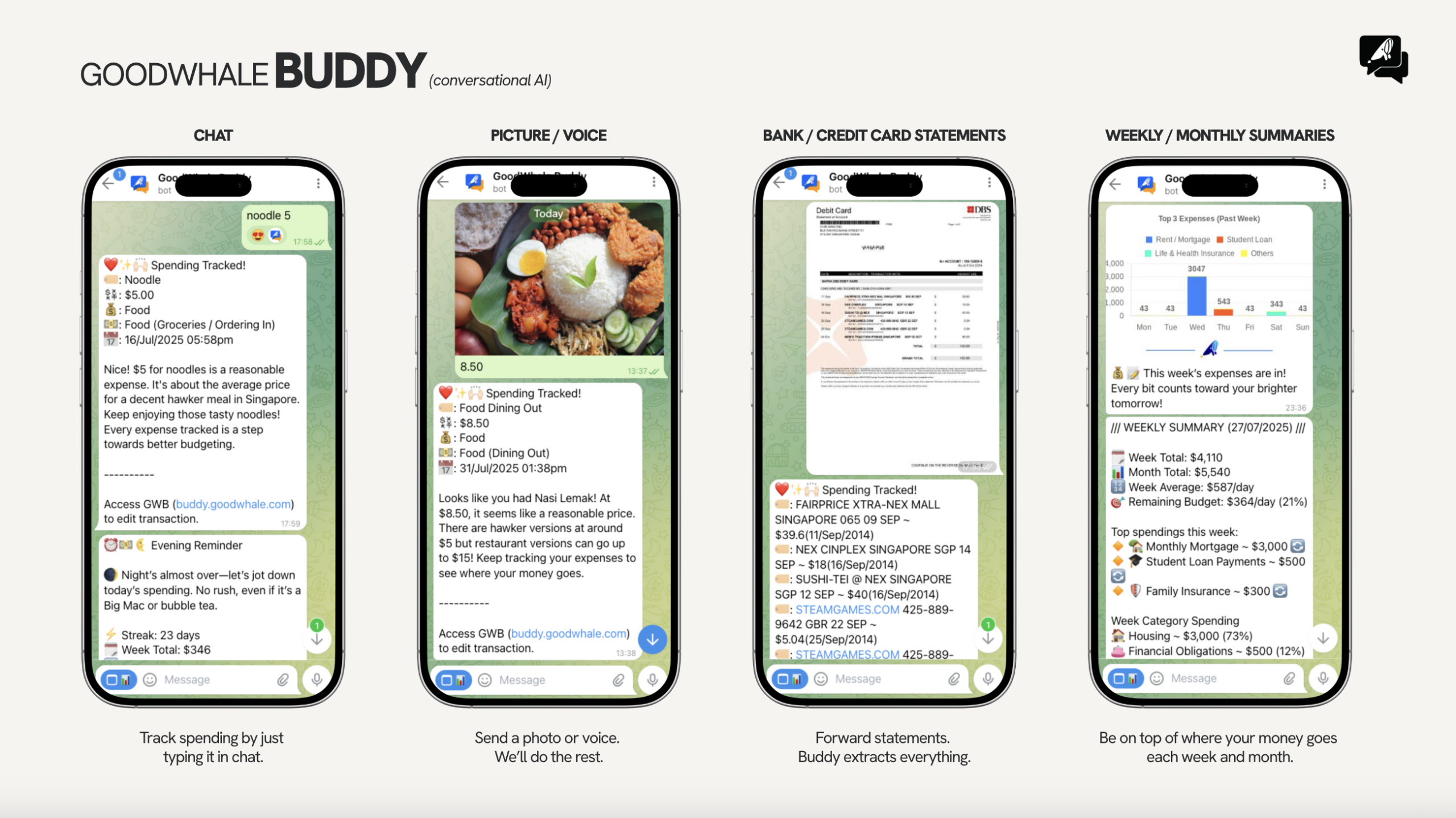
And if you’re serious about building these habits, you don’t have to do it alone. GoodWhale Buddy is an AI-powered financial companion that lives in your WhatsApp or Telegram, helping you track expenses, manage cash flow, and make smarter money decisions — all through a simple chat. It’s like having a personal finance coach in your pocket, keeping you on track and helping you avoid the mistakes most people realize too late.
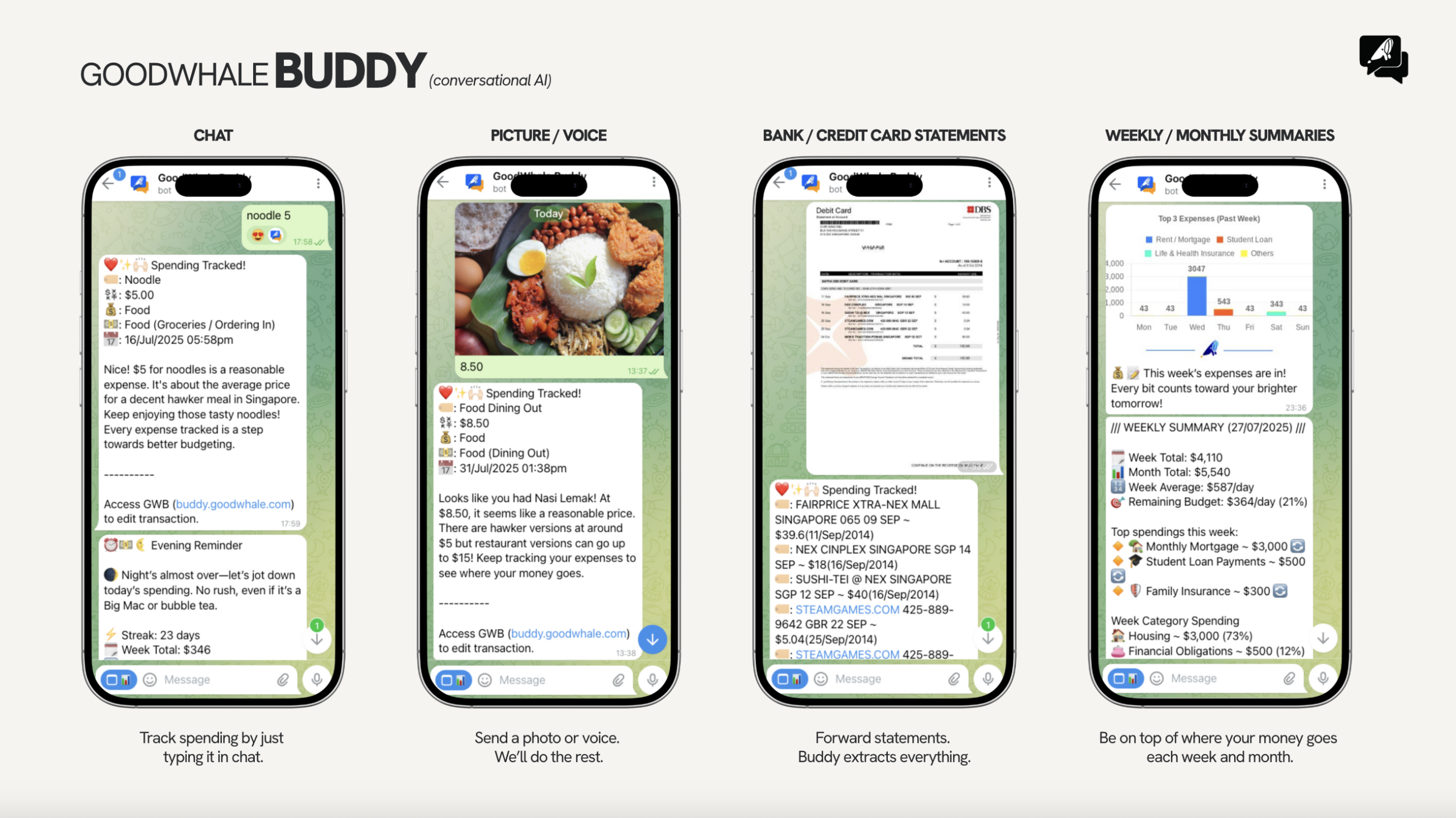
Start building better habits today. Download GoodWhale Buddy and take the first step toward financial freedom before 30.










Leave A Comment