
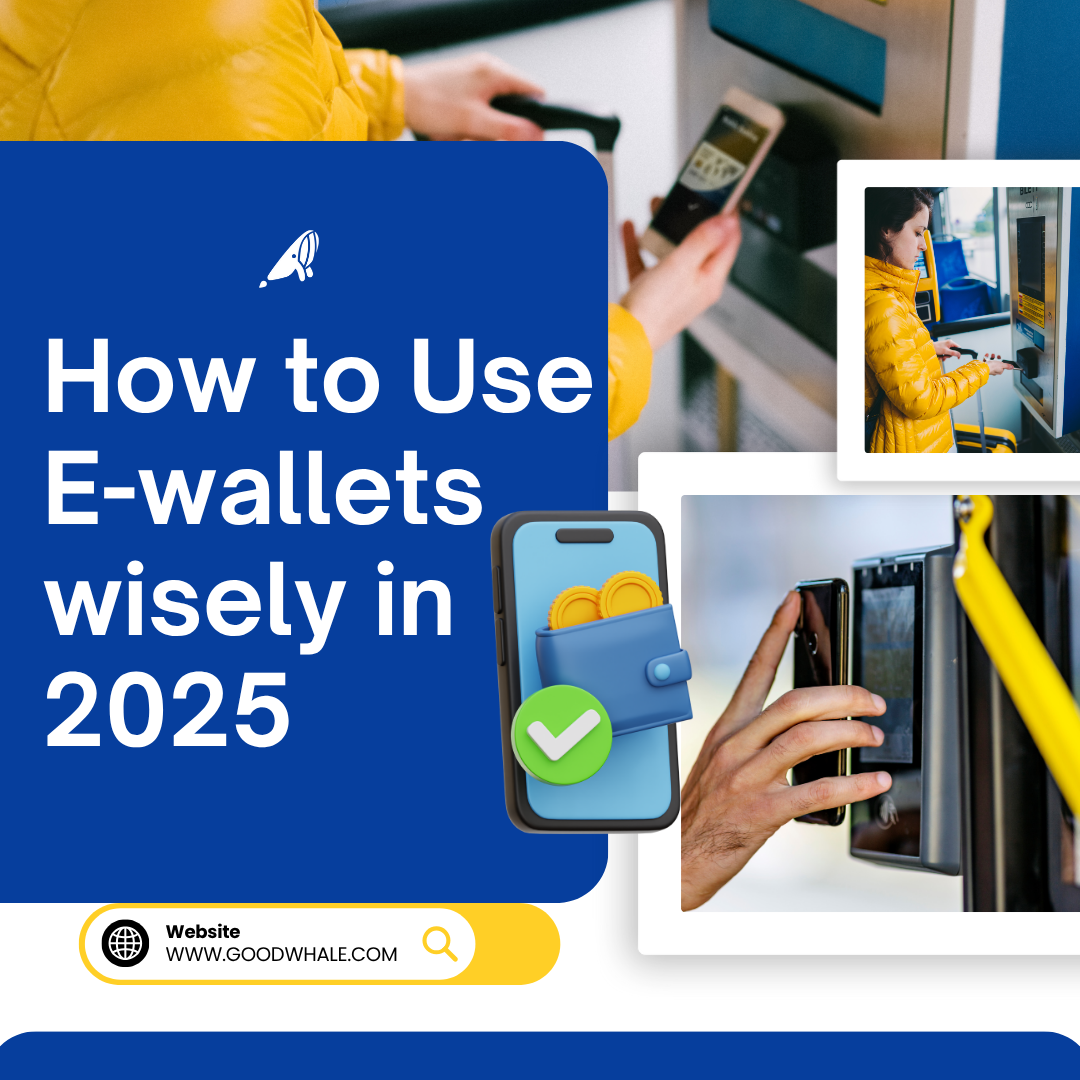
How to Use E-Wallets Wisely and Outsmart Impulse Spending
We all love the convenience of tapping our phones to pay. Whether you’re splitting a dinner bill with friends, grabbing your morning coffee, or sending money to family, it often feels easier than ever. That’s thanks to digital wallets apps that store your money and allow you to make fast, contactless transactions with just a few taps. But as digital payments become second nature, it’s more important than ever to understand how to use e-wallets wisely to avoid losing track of your spending.
That same convenience that makes life easier can quietly drain your savings if you’re not careful. In 2025, e-wallets have become more than just payment tools, they’re deeply woven into our daily routines. And that means learning to manage them with intention is no longer optional; it’s essential for anyone trying to stay financially healthy.
What Is an E-Wallet, and Why Should You Be Cautious?
A digital wallet, or e-wallet, is an app that allows you to store money digitally and make purchases or transfers without using physical cash. It’s like having a wallet on your phone, except smarter, faster, and often connected to your bank or credit card. Common platforms include Pay Anyone, PayLah!, GrabPay, and FavePay.
While e-wallets offer features like rewards, instant transfers, and even budgeting tools, they also remove many of the mental friction points that help us control our spending. Without the feel of cash leaving your hands, you may end up spending more than you realize.
Learning how to use an e-wallet wisely helps you avoid overspending and ensures your digital spending aligns with your real-life savings goals.
How to Use E-Wallets Wisely Without Sacrificing Your Budget
1. Set a Spending Cap and Stick to It
Transfer only a set amount to your e-wallet weekly or monthly. Treat this like your digital allowance. Once it’s used up, wait until the next top-up. This strategy builds discipline and creates natural boundaries in your spending.
2. Leverage In-App Budgeting Tools
Some apps, like Pay Anyone or PayLah!, offer spending reports and summaries. Use these tools to track patterns, set spending goals, and make informed adjustments. Understanding where your money goes is a big part of how to use e-wallets wisely.
3. Separate Spending by Purpose
Assign certain apps for specific spending types, use one for daily essentials and another for lifestyle or leisure. This helps you monitor categories more clearly and makes overspending easier to spot and control.
4. Disable Auto Top-Ups
Automatic reloads can lead to unconscious spending. Turning off this feature forces you to reflect before you reload, making each transaction more intentional.
5. Redeem Rewards with Purpose
It’s tempting to chase cashback or limited-time deals, but only redeem them if they align with what you already plan to spend on. Smart reward use is part of knowing how to use e-wallets wisely don’t let marketing tactics steer your financial decisions.
6. Include E-Wallet Spending in Your Budget
Make your e-wallet activity part of your overall money plan. Use apps like Goodwhale Buddy or even a simple spreadsheet to integrate digital spending with your main budget. This ensures your e-wallet habits don’t work against your long-term savings goals.
Final Thoughts: Make E-Wallets Work for You
E-wallets are powerful financial tools, but like any tool, their impact depends on how you use them. Convenience shouldn’t come at the cost of control. By learning how to use e-wallets wisely, you can enjoy faster transactions and digital perks while still building real savings in the background.
Think of your e-wallet not just as a spending tool, but as part of your overall financial strategy. When used with intention, digital wallets can help you stay organized, reduce cash handling, and even boost your budgeting skills. So take the time to review your habits, adjust your approach, and make your e-wallet a smart partner in your financial journey, not a silent enemy to your savings.










Leave a Reply