
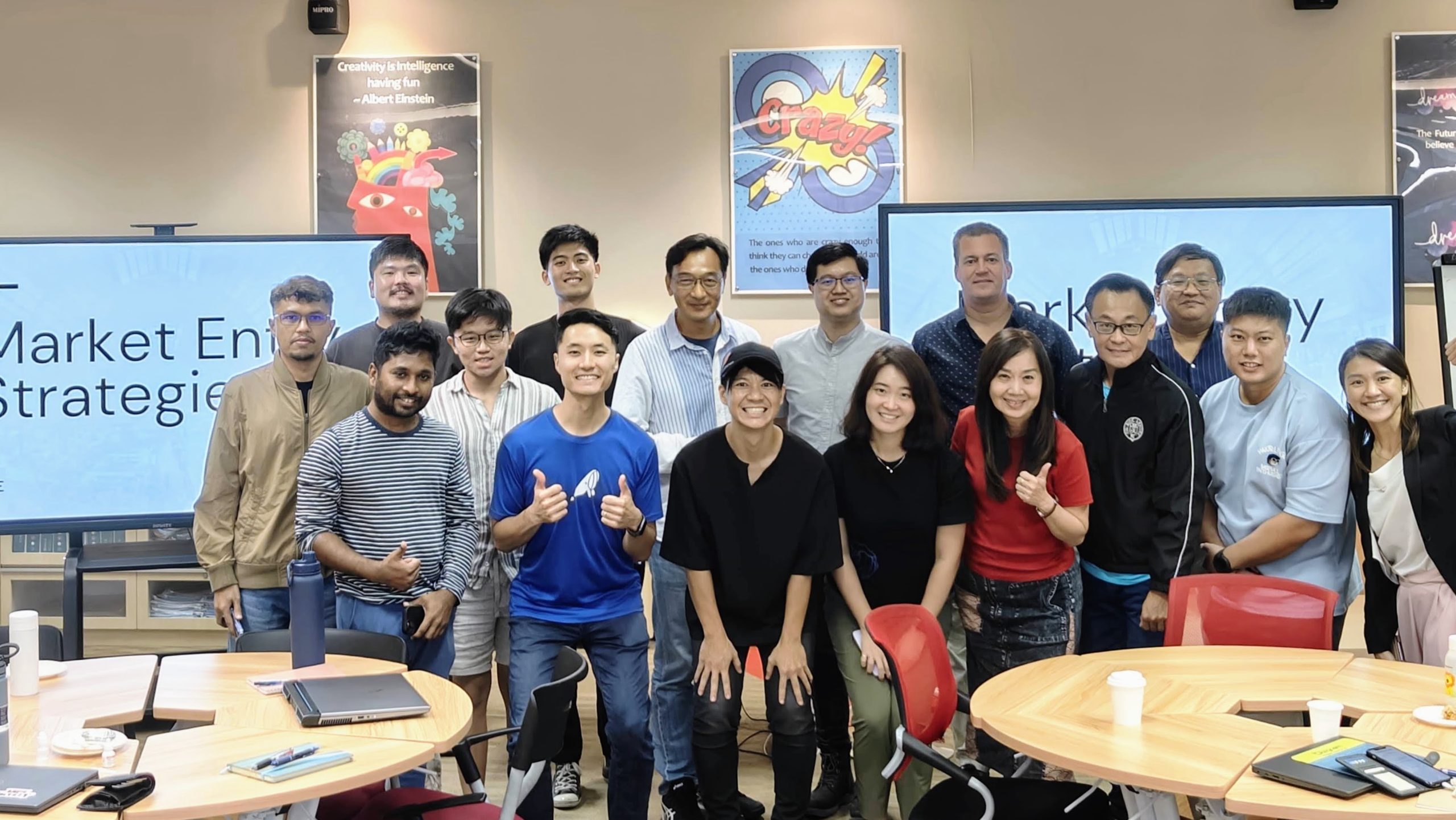
How GoodWhale is Empowering Entrepreneurs at Singapore’s ITE
Entrepreneurship is more than just starting a business—it’s about creating meaningful value, solving real-world problems, investing in life and building a better future. At GoodWhale, we are dedicated to equipping aspiring entrepreneurs with the tools and knowledge they need to thrive. Recently, we brought this mission to life at the Institute of Technical Education (ITE) in Singapore, delivering an interactive session on entrepreneurship, startup strategies, navigating the complex journey of building a business and understanding this in the lens of investing in oneself and for the future.
Here’s how we inspired the next generation of Singaporean entrepreneurs and future leaders.

Will Huang, CEO GoodWhale at ITE Institute of Technical Education Singapore
The Big Question: Why Start a Business?
We kicked off the session with one of the most important questions an entrepreneur can ask themselves:
- Why do I want to start a business?
Through this reflection, participants uncovered their personal motivations and the impact they hoped to create. This exercise set the stage for understanding how purpose and strategy intersect, leading to meaningful business decisions.
Using the Business Model Canvas, we guided participants to translate their aspirations into actionable plans. The canvas allowed them to visualize key components of a business, including:
- Value Propositions: Identifying the unique problems their business could solve.
- Customer Segments: Understanding the target audience and their needs.
- Revenue Streams and Cost Structures: Forecasting how their business would generate income and control expenses.
By the end of this segment, participants weren’t just dreaming about businesses—they were designing them.
Ups and Downs: The Realities of Entrepreneurship
Starting and growing a business is a journey filled with challenges and opportunities. To prepare the participants for this reality, we shared honest accounts of the entrepreneurial journey, including:
- Overcoming Failure: Real-life examples of startups that pivoted after initial setbacks.
- Scaling Challenges: How to grow a business sustainably without overextending resources.
- Innovating Under Pressure: Techniques to stay creative and adaptable in competitive markets.
A highlight of the session was an interactive group activity where students analyzed scenarios inspired by GoodWhale’s journey. They worked through decisions like choosing between pursuing a high-risk, high-reward customer segment or a steady but smaller revenue opportunity. This exercise brought the ups and downs of entrepreneurship to life.
GoodWhale in Action: Real-World Lessons
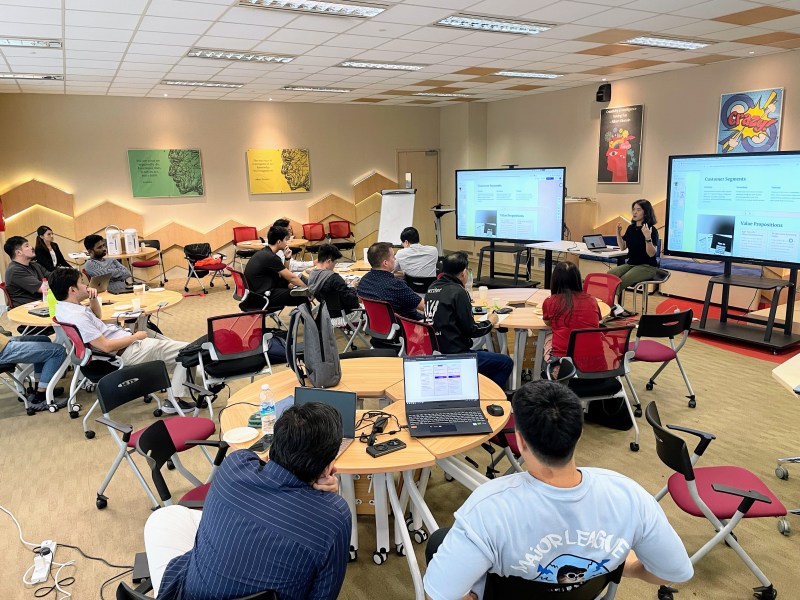
Tiffany Pan, Cofounder GoodWhale at ITE Institute of Technical Education Singapore
The class wasn’t just theoretical—it was deeply rooted in GoodWhale’s real-world experiences. Here’s how we used our own journey to illustrate key concepts:
1. Business Model in Practice
We shared how GoodWhale refined its own Business Model Canvas in its early days. For instance:
- Our Value Proposition: Making financial literacy and entrepreneurship education accessible to everyone.
- Our focus on Customer Segments: Identifying aspiring entrepreneurs and professionals who need practical tools to start and scale their ventures.
- Revenue Streams: Monetizing through workshops, premium content, and partnerships with institutions like ITE.
This example helped participants see how abstract concepts like “value propositions” and “cost structures” apply in real-world settings.
2. Go-to-Market Strategy
Participants were particularly intrigued by how GoodWhale launched its go-to-market campaigns. We discussed strategies such as:
- Leveraging social media to build awareness.
- Offering free resources to attract early adopters while gathering feedback for product improvement.
- Running community workshops to establish credibility and trust.
3. Overcoming Challenges
We also shared a case study from GoodWhale’s growth story, highlighting a pivotal moment when we had to pivot our approach. By illustrating how we adapted our revenue model to focus on partnerships rather than direct consumer sales, participants learned the value of staying flexible and customer-focused.
Hands-On Learning: Bringing Concepts to Life
What truly set this class apart was its interactivity. Participants weren’t just listening—they were doing.

Chua Jia Xuan, Cofounder GoodWhale at ITE Institute of Technical Education Singapore
- Real-World Case Studies: Students worked in teams to develop mock Business Model Canvases for startup ideas, tackling questions about value propositions, customer acquisition, and cost control.
- Scenario Analysis: Groups were given real-world challenges faced by startups, such as deciding between bootstrapping or seeking venture capital.
- Role-Playing Activities: Students took on the roles of founders, investors, and customers, gaining perspectives on different facets of the entrepreneurial ecosystem.
One participant shared, “I’ve always thought starting a business was about having a great product idea. Now, I see how critical it is to understand the entire ecosystem—from costs to marketing to customer engagement.”
Key Lessons for Aspiring Entrepreneurs
By the end of the session, participants left with a toolkit of strategies and insights. Here are the key takeaways:
- Use the Business Model Canvas: This framework simplifies the complexities of starting a business and ensures no key components are overlooked.
- Be Customer-Focused: Always start by understanding who your customers are and what they need.
- Adaptability is Key: The entrepreneurial journey is unpredictable; being flexible and ready to pivot can make all the difference.
- Think Beyond the Product: Success comes from aligning value propositions, marketing strategies, and operational efficiency.
ITE – Empowering the Future
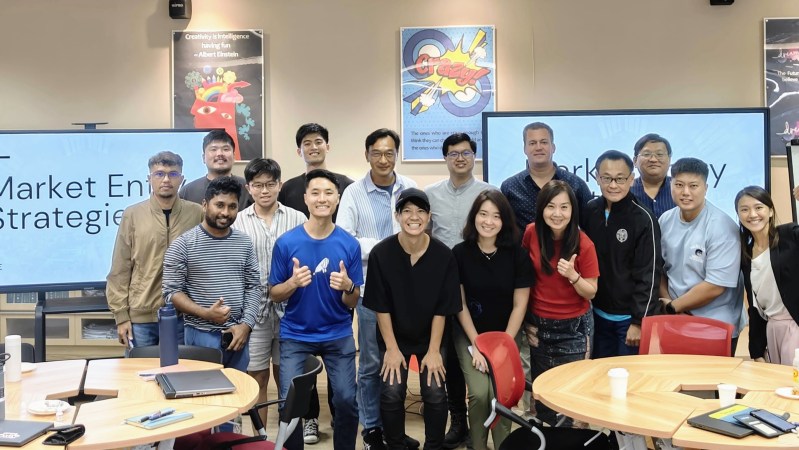
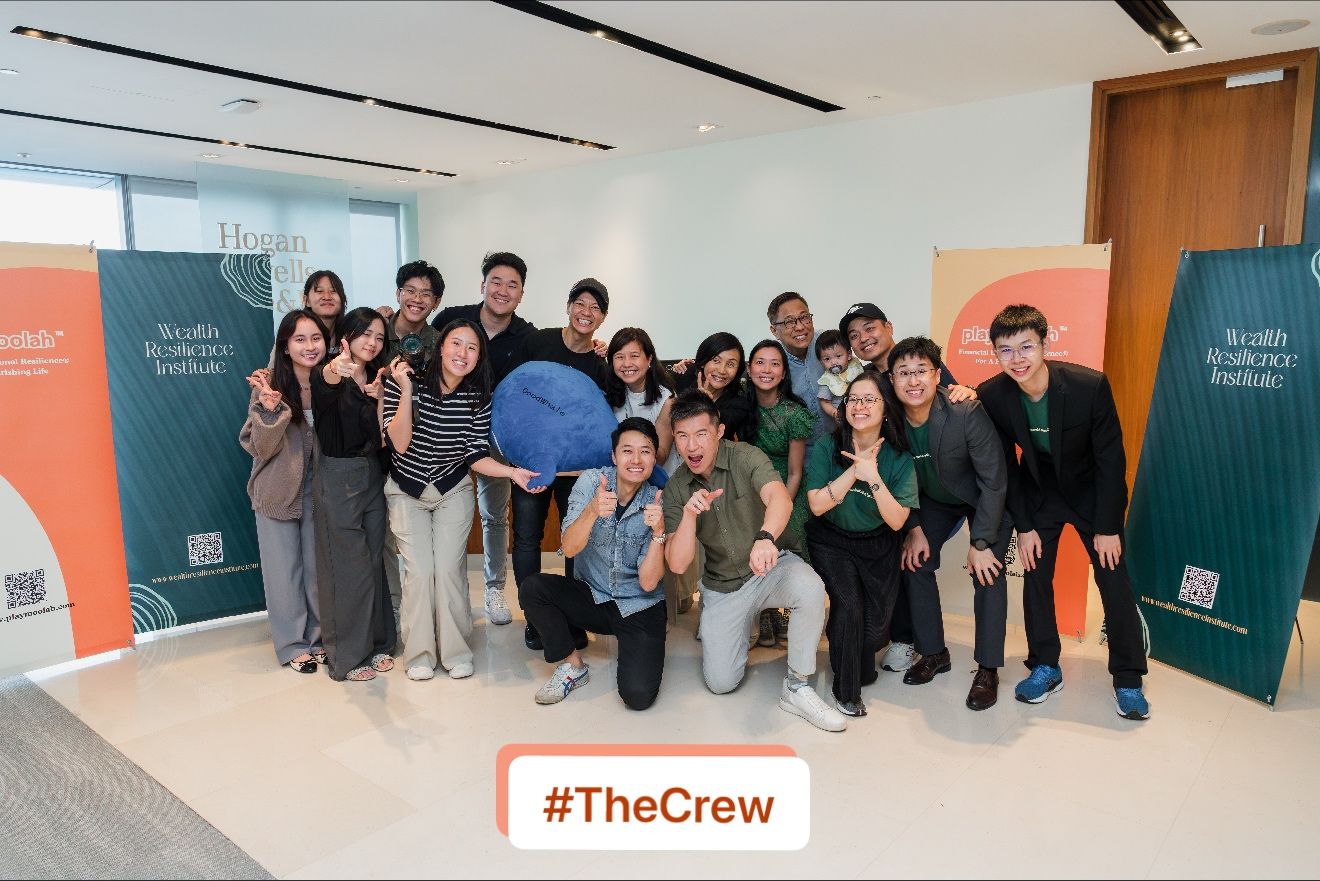
GoodWhale team at Institute of Technical Education (ITE) Singapore
The Institute of Technical Education (ITE) in Singapore has long been a beacon of innovation and skill-building, empowering students with practical knowledge and a hands-on approach to learning. At GoodWhale, we deeply admire ITE’s commitment to nurturing talent and equipping students with the tools they need to thrive in a rapidly changing world. Their focus on real-world applications aligns perfectly with our mission to make financial literacy and entrepreneurship accessible to everyone. We believe personal finance and entrepreneurship are pivotal in unlocking the immense potential of individuals, enabling them to lead impactful lives. Supporting ITE’s vibrant community is a privilege, as we’ve witnessed firsthand the energy and determination of its students. Singapore’s leaders, including Prime Minister Lee Hsien Loong, have consistently championed ITE’s transformative role in the education system, celebrating its graduates’ contributions to the economy. Inspired by this, we at GoodWhale are proud to play a part in empowering ITE students to become the next generation of innovators and changemakers.




Leave a Reply