
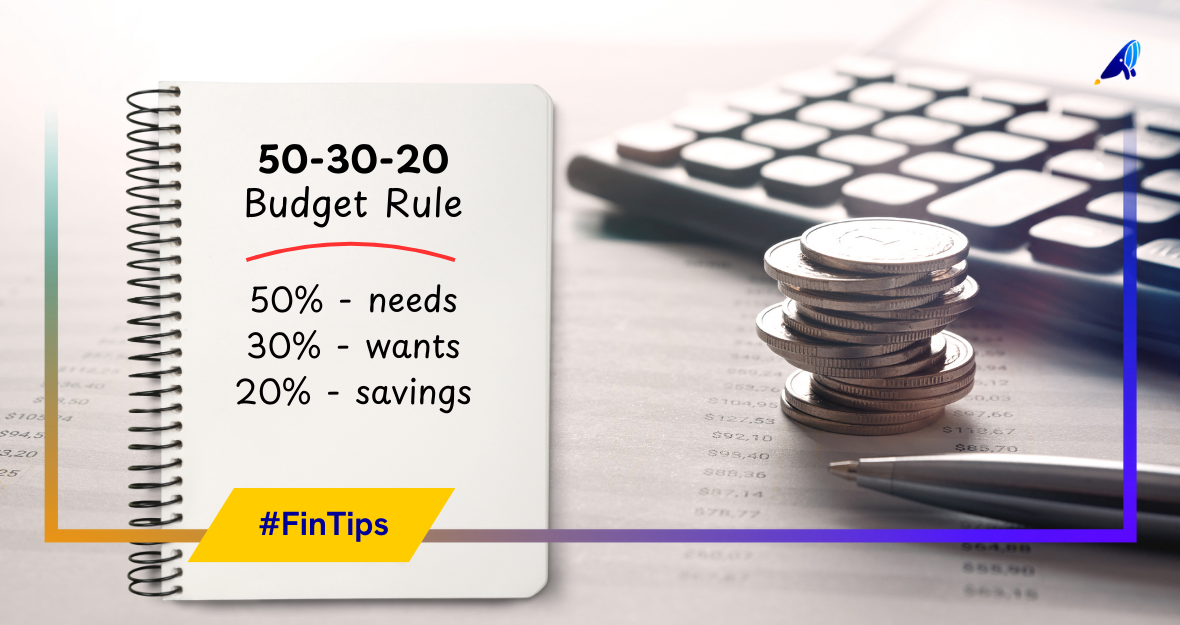
50-30-20 Rule: The Key to Smart Budgeting
The 50-30-20 rule is a simple yet powerful budgeting strategy that takes the guesswork out of managing your finances. By dividing your after-tax income into three categories—50% for needs, 30% for wants, and 20% for savings or debt repayment—it creates a balanced approach that’s both easy to follow and highly effective. Whether you’re aiming to pay off debt, save for a big purchase, or simply gain more control over your spending, this rule can be a game-changer. It not only improves your financial health but also gives you the freedom to enjoy life while working toward long-term goals.

What Is the 50-30-20 Rule?
The 50-30-20 rule is a widely recommended budgeting approach because of its simplicity and practicality. By splitting your income into needs, wants, and savings, you can track spending effectively, live within your means, and still save for the future.
How to Apply the 50-30-20 Rule
1. Allocate 50% for Needs
Start by allocating 50% of your income to essential expenses such as housing, utilities, groceries, transportation, insurance, and healthcare. These are the non-negotiable costs required for daily living.
As a parent of two toddlers and in the early stages of starting a family, I know how quickly these necessities can add up. Groceries, healthcare, and child-related expenses can sometimes push this category beyond 50%. If that happens, it’s worth reassessing your spending or finding ways to boost your income to make sure you’re covering essential needs without sacrificing financial stability
2. Reserve 30% for Wants
Next, set aside 30% of your income for discretionary spending. This includes dining out, entertainment, vacations, and hobbies—things that make life enjoyable but aren’t essential. Believe me, I know this part can be tough! It’s easy to get carried away with spending on things that bring immediate satisfaction, but the key is moderation. By managing these expenses wisely, you can still enjoy your lifestyle without sacrificing the ability to cover your needs or save for your future goals.
3. Dedicate 20% to Savings and Debt Repayment
Finally, 20% of your income should go toward savings or debt repayment. This includes building an emergency fund, contributing to retirement accounts, or paying off high-interest loans. Prioritizing debt repayment helps save on interest, while consistently saving ensures you have financial security in the future.
Why the 50-30-20 Rule Works
The 50-30-20 rule’s effectiveness lies in its simplicity and flexibility. It provides a structured, yet adaptable framework for managing money. By following this method, you guarantee that your needs are met, enjoy your wants within reason, and consistently save for your future.
Benefits of the 50-30-20 Rule:
- Flexibility: The rule can be adjusted according to your financial circumstances or goals.
- Balanced spending: It allows for enjoyment while ensuring that essential needs are covered.
- Long-term financial security: Regular savings and debt repayment promote financial stability.
Adjusting the Rule to Fit Your Life
While the 50-30-20 rule offers a great starting point, it may need adjustments based on your personal circumstances. If you live in a high-cost area, your needs might exceed 50% of your income. In such cases, you can shift the percentages to better fit your situation.
You can also adapt the allocation depending on your financial goals. For example, when I was focused on aggressively paying off debt, I funneled more money into the savings category and cut back on discretionary spending temporarily. It wasn’t easy, but making those short-term sacrifices helped me stay on track and achieve my financial goals.
Conclusion
The 50-30-20 rule offers a simple and flexible way to manage your finances. By following this method, you can build a strong financial foundation, achieve your goals, and enjoy your lifestyle without feeling constrained. This budgeting approach not only helps you maintain balance in your spending but also paves the way to financial freedom, allowing you to make choices based on your goals rather than financial stress. With the 50-30-20 rule, you’ll have a clear picture of where your money is going and how it’s working for you, empowering you to take full control of your financial future.
Looking for more ways to enhance your financial journey? Join the GoodWhale Community and connect with others who share the same goals. In this community, you’ll find valuable insights, investment strategies, and market updates that can further support your budgeting efforts and long-term financial planning. Take the next step toward financial success—check out our community today!










[…] is often pitched as simple: just follow the 50/30/20 rule, spend 50% of your income on needs, 30% on wants, and 20% on savings or debt. It’s clean, tidy, […]